
The Art and Craft of Block Printing
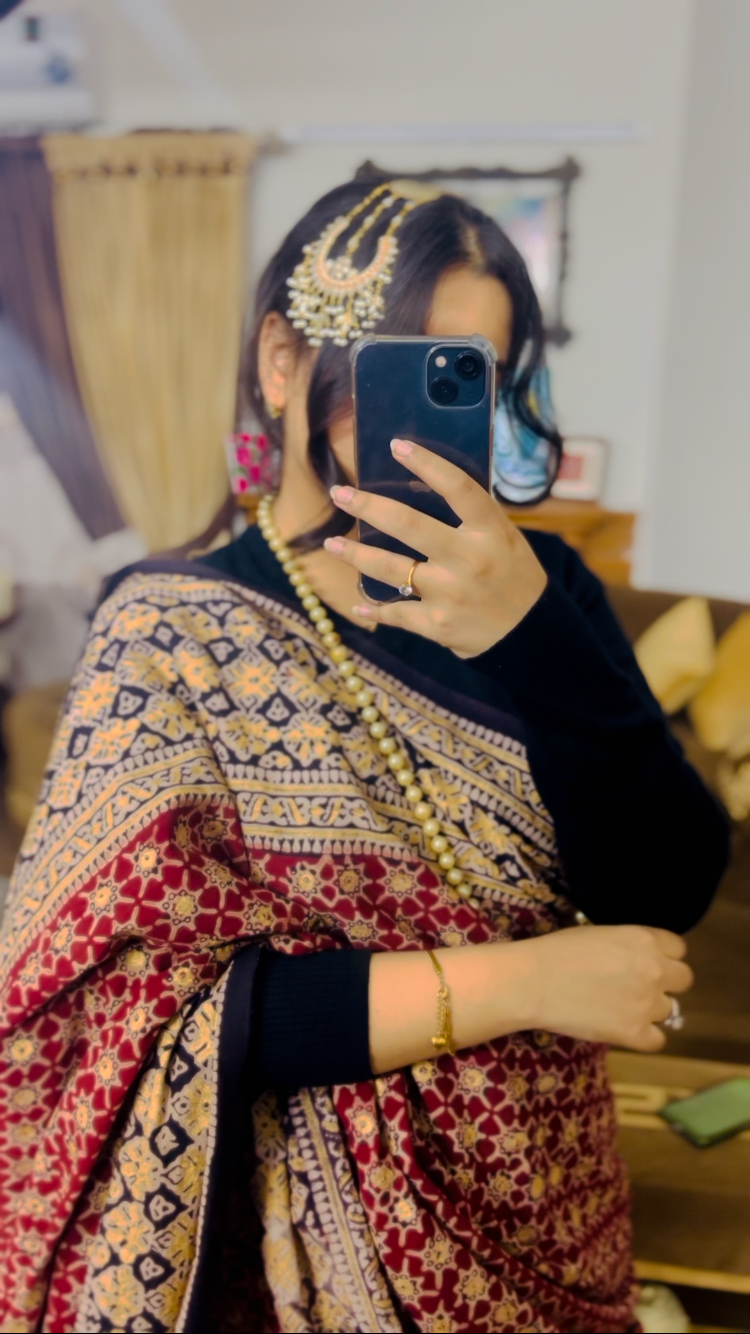
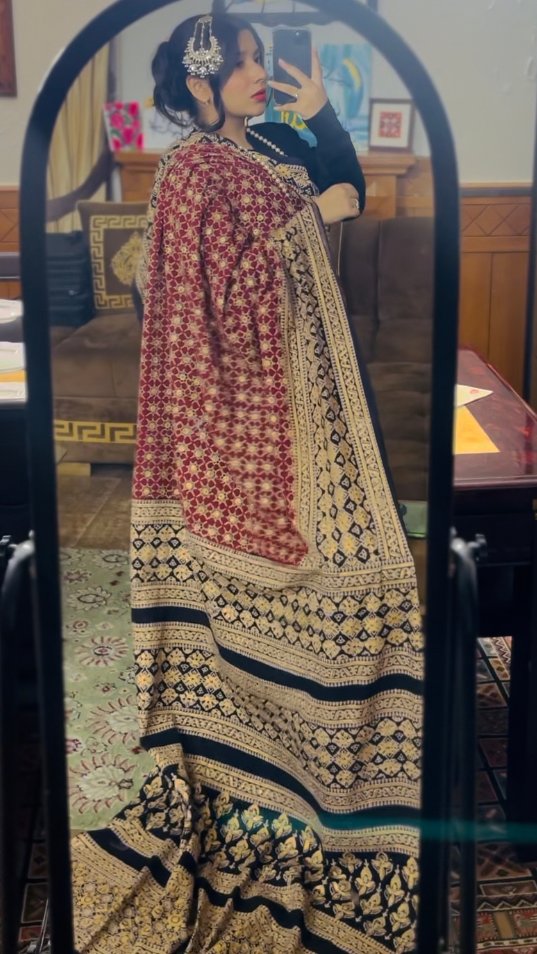
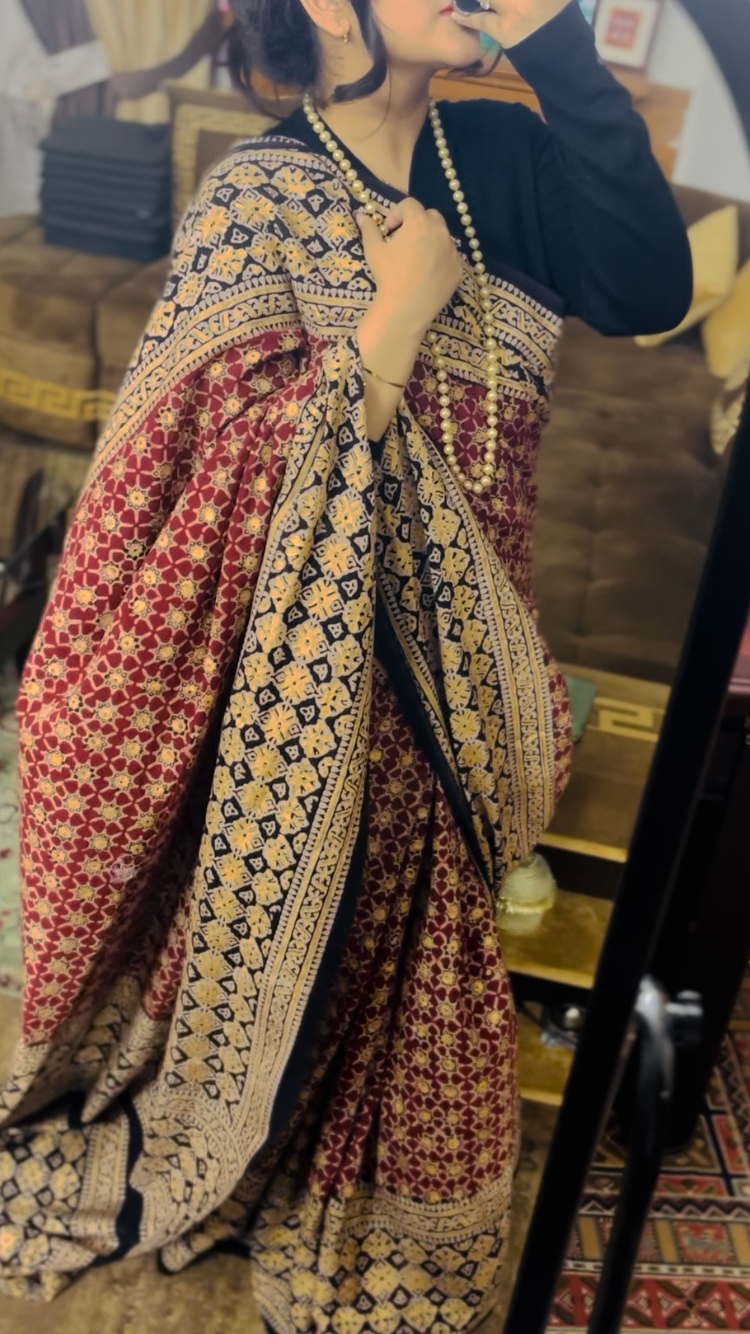
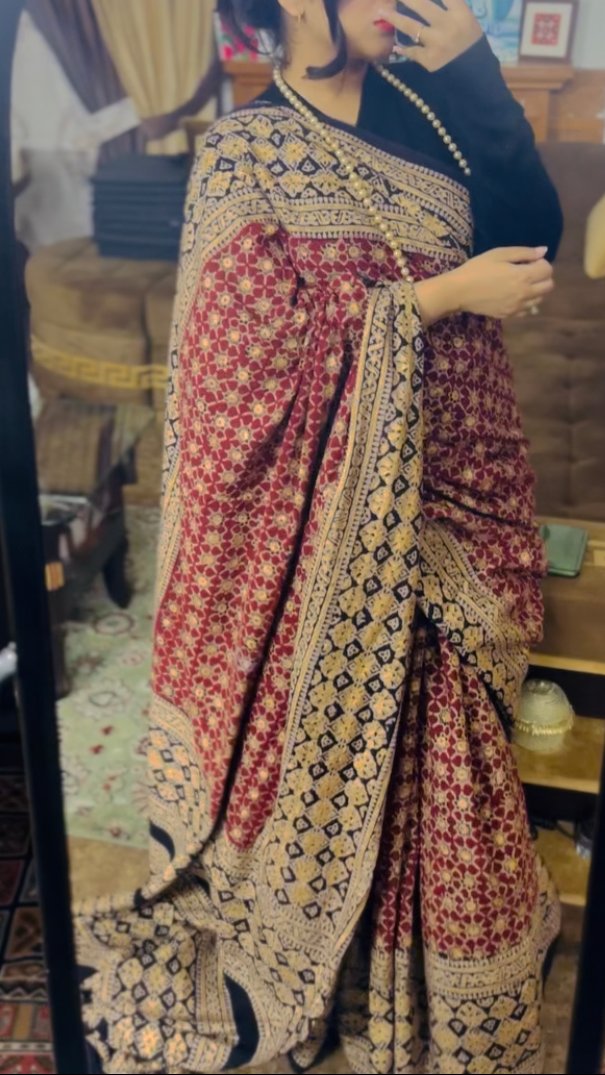
Block printing is a revered textile art form that has been practiced for centuries, with its origins tracing back to ancient cultures. This age-old technique, rooted in history, reflects the rich cultural heritage from various regions, particularly in India. The process begins with the creation of hand-carved wooden blocks, where intricate designs are meticulously crafted. Each block serves as a stamp, which artisans dip in dye before applying it to the fabric. The precision and skill required to carve these blocks cannot be understated, as the designs must seamlessly align for a cohesive look on the finished piece.
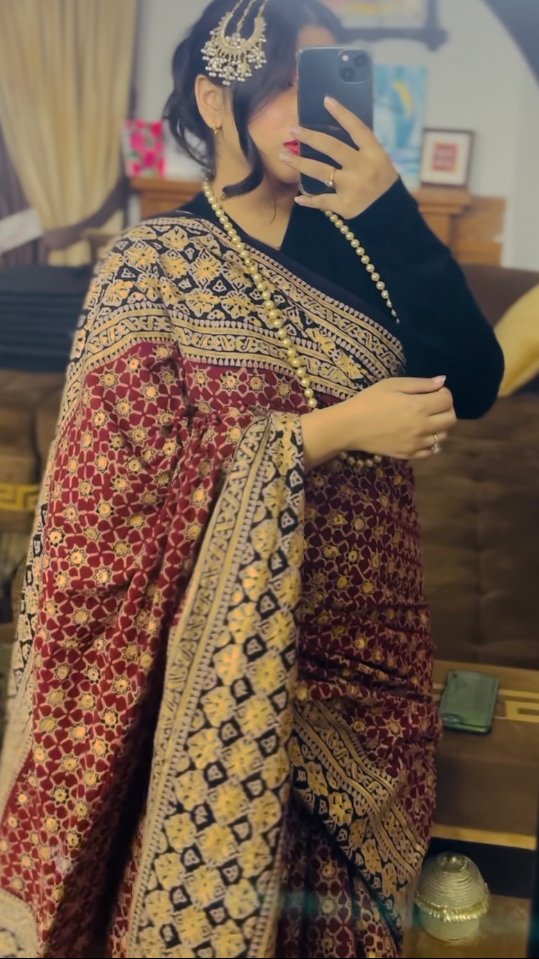
The art of block printing employs a diverse array of dyes, ranging from natural sources derived from plants and minerals to synthetic alternatives. Natural dyes, celebrated for their vibrant yet earthy tones, impart a unique charm to the sarees, enhancing their elegance. Artisans often select colors that resonate with cultural significance or seasonal trends, allowing for a dynamic palette that breathes life into the textile. The careful balance of dye application not only contributes to the aesthetic appeal but also ensures that the prints stand the test of time, showcasing the artistry of the block printing technique.
Craftsmanship is at the heart of block printing, as each saree is a reflection of the artisan’s dedication and passion for their craft. The labor-intensive process requires immense patience, precision, and an acute understanding of pattern alignment. As a result, no two block-printed sarees are identical, each serving as a unique work of art. This individuality elevates the saree to a premium choice for various occasions, from celebratory events to casual gatherings. The combination of exquisite beadwork and sequins further enhances the visual allure of these sarees, making them not just garments, but treasured pieces of wearable art that encapsulate tradition and elegance.
The Allure of Beadwork and Sequins
Beadwork and sequins serve as significant embellishments that elevate the traditional saree into a realm of luxury and sophistication. These decorative elements have a rich history in Indian textile arts, with their usage varying widely across different regions, each adding a unique cultural flavor to the artistry. In regions such as Rajasthan and Gujarat, intricate beadwork is often combined with mirror work to create stunning visual effects that reflect the vibrancy of local traditions. Similarly, sequins, which can range from small disks to more elaborate shapes, provide an elegant shimmer that enhances the overall aesthetic of the saree.
The meticulous process of incorporating beadwork and sequins into sarees involves skilled artisans who hand-sew these elements with precision. This not only adds texture to the fabric but also transforms a simple piece into an undeniable statement of elegance. The presence of these embellishments can turn an everyday saree into a stunning outfit suitable for various occasions, from festive celebrations to formal gatherings. For instance, a saree adorned with delicate beadwork and sequins can be a perfect choice for wedding celebrations, while a more understated piece can be worn for cocktail events.
When styling a saree embellished with beadwork and sequins, it is essential to consider the accessories and draping style. Selecting understated jewelry can allow the saree to be the focal point while creating balance. Similarly, experimenting with different draping techniques—such as the classic or modern styles—can enhance the elegance of the outfit. The overall aim is to showcase the craftsmanship without overshadowing the rich textiles that form the base of these luxurious sarees. Understanding how to pair such garments correctly can elevate one’s presence at any event, reflecting both a deep appreciation for tradition and a keen sense of style.


Reviews
There are no reviews yet.